How to Improve Website Loading Speed in 2025?
Why Website Speed Is So Important?
Website loading speed is one of the key factors determining online success. In 2025, users expect a website to open in less than 2 seconds—otherwise, they often leave and choose a competitor. Every second of delay can lead to lower conversions and reduced sales performance.However, it’s not just about user experience. Google has been considering page speed in its ranking algorithms for years. Core Web Vitals are one of the main indicators of website quality. A slow site not only frustrates users but also lowers search engine rankings.
How to Measure Website Speed in 2025?
Before starting optimization, you need to check how your website currently performs. Use tools like Google PageSpeed Insights, GTmetrix, or WebPageTest for measuring speed. Each provides detailed reports highlighting the biggest issues.In 2025, AI-based tools are increasingly used, analyzing not only load time but also predicting how optimization will affect user behavior. This makes it easier to choose actions that will bring the most impact.
Regular performance monitoring is essential. Remember that speed can change depending on CMS updates, the number of plugins, or even increased website traffic.
Optimizing Images and Media
Images are often the largest portion of data loaded by a website. In 2025, WebP and AVIF formats have become standard, offering much better compression than traditional JPEG or PNG. They can reduce file sizes by up to 70% without losing quality.It’s also worth using lazy loading, which loads images only when the user scrolls to them. This makes the page open faster, while additional content loads in the background.
If you run an e-commerce site or a photo gallery, also consider using a CDN (Content Delivery Network). CDNs store copies of media on servers around the world, allowing users to receive them from the nearest location.
Minimizing and Compressing Code
Website code also affects load speed. In 2025, almost every professional website uses automatic optimization for CSS, JavaScript, and HTML. Minimization removes unnecessary characters, comments, and spaces, which can significantly reduce file size.Asynchronous loading of scripts is also important, allowing JS files not to block page rendering. This way, users see initial content faster, even if other elements load in the background.
Don’t forget caching systems—both server-side and browser-based. Caching allows users to load some content from memory instead of fetching it from the server every time, drastically reducing the load time of subsequent pages.
Choosing the Right Hosting and Technology
Even a well-optimized website won’t be fast if it runs on a slow server. In 2025, NVMe SSD-based hosting is recommended, providing lightning-fast access to data.Cloud-based solutions that scale resources depending on traffic are also becoming more popular. For larger projects, dedicated servers or VPS (Virtual Private Server) services work well.
The choice of technology matters too. Modern frameworks and CMSs, such as headless CMS or Jamstack-optimized systems, allow building extremely fast and scalable websites.
Mobile-First and Mobile Optimization
Most web traffic today comes from mobile devices. If your website doesn’t run smoothly on smartphones, you lose a large portion of potential customers. In 2025, mobile-first design is standard, meaning websites are designed with mobile devices first.Mobile optimization includes responsive design, lightweight graphics, avoiding heavy animations, and touch-friendly navigation. Google also evaluates mobile page speed, directly impacting search rankings.
Test your site with Google’s Mobile-Friendly Test to ensure it meets current standards.
Trends and the Future of Website Speed in 2025
Website speed continuously evolves with technology. In 2025, several trends are becoming increasingly popular.First—artificial intelligence supporting automatic content and code optimization. More companies are using AI tools to analyze performance and suggest concrete improvements in real time.
Second—progressive web apps (PWA), web applications that behave like native apps, offering instant loading and offline usage.
Third—the growing importance of environmentally friendly web practices. Companies aim for websites that are not only fast but also energy-efficient. Minimizing code and reducing data transfer lowers the carbon footprint.
Summary—How to Speed Up Your Website in 2025?
Improving website loading speed requires a comprehensive approach. Key elements include image optimization, code minimization, selecting the right hosting, and adapting the site for mobile devices.Remember, website speed directly impacts SEO, conversions, and user experience. Investing in optimization always pays off—whether it’s a small company site or a large online store.
To learn more about improving your website speed or to request a technical audit, contact our team. We will help you build a site that looks great and performs lightning-fast.
Client Reviews
Selected Projects
Each project is a custom-tailored online store or web application that combines modern design with functionality adapted to the client's needs. See how we help brands grow in the online channel through thoughtful and comprehensive implementations.
Case study
PawsOfLily Online Store
Scope of Work For the PawsOfLily brand, we designed and developed a modern online store from scratch based on WordPress. The project included creating a tailored visual design, integrating with a payment system, inventory management, and shipping (InPost).We ensured that the entire platform was not only visually appealing but also intuitive and functional — in line with best practices for building websites and web applications. At the end, we conducted a training session that enabled the client to manage the store independently from day one. Technologies Used Read more

Case study
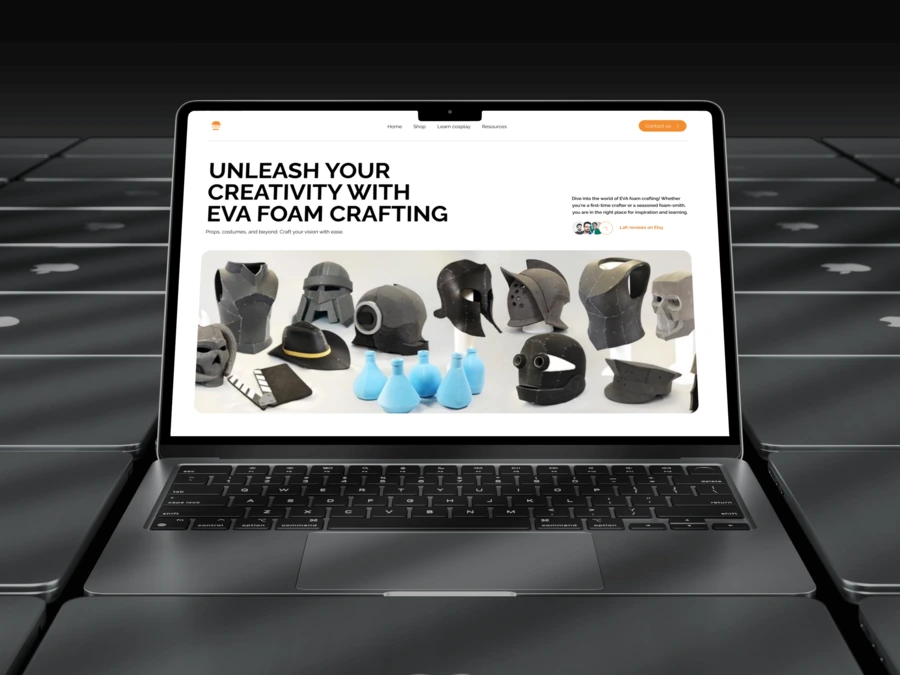
Mellowmind Cosplay Online Store
Scope of Work For the Mellowmind Cosplay brand, we designed and developed a modern online store from scratch based on WordPress. The project included preparing a unique, bold visual design that reflects the character and aesthetics of the brand, as well as full integration with the payment system.We ensured that the store was not only visually aligned with the brand's existing communication but also fully functional, scalable, and ready for future growth. At the end of the implementation, we conducted a training session that enabled the client to independently manage content and product offerings. Technologies Used Read more
Case study
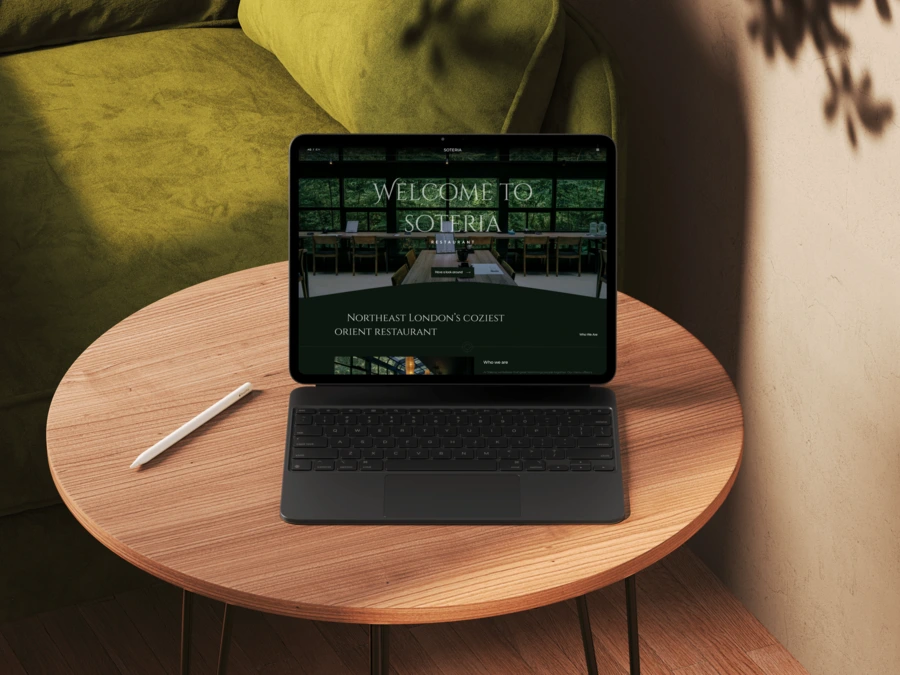
Soteria Web Application
Scope of Work For the Soteria project, we designed and developed a modern online store with a booking module, based on a custom system built in Laravel technology. Work began with preparing a tailored graphic design that visually referenced the brand's character and the interior aesthetics of the restaurant.Then we proceeded to implementation — creating a fully functional sales system with the possibility to make online reservations. The entire system was tested for usability, responsiveness, and stability in the production environment. Technologies Used Read more
Case study
Silverpine Ridge Website
Scope of Work For the Silverpine Ridge project, we designed and implemented a website dedicated to presenting the offer of single-family homes for sale and rent. The starting point was a refined graphic design aimed at capturing the atmosphere of the place — a peaceful, modern estate surrounded by nature. Then we completed the full implementation of the site using Laravel technology and carried out final tests. Technologies Used Read more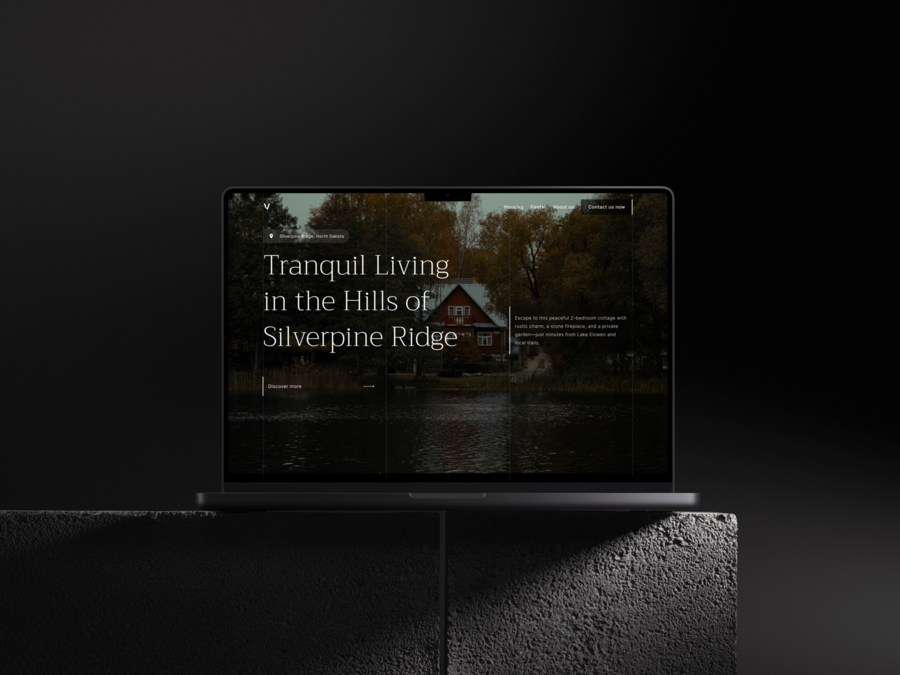
Case study
VICE Landing Page
Scope of Work The VICE website was created with a focus on modern aesthetics and clarity of information. The goal was to design a clean, functional WordPress site aligned with a minimalist visual identity. The result combines simplicity with a strong message — all developed in the spirit of 'less is more'. Technologies Used Read more